From Text to Voice: AI Finds Its Natural Medium
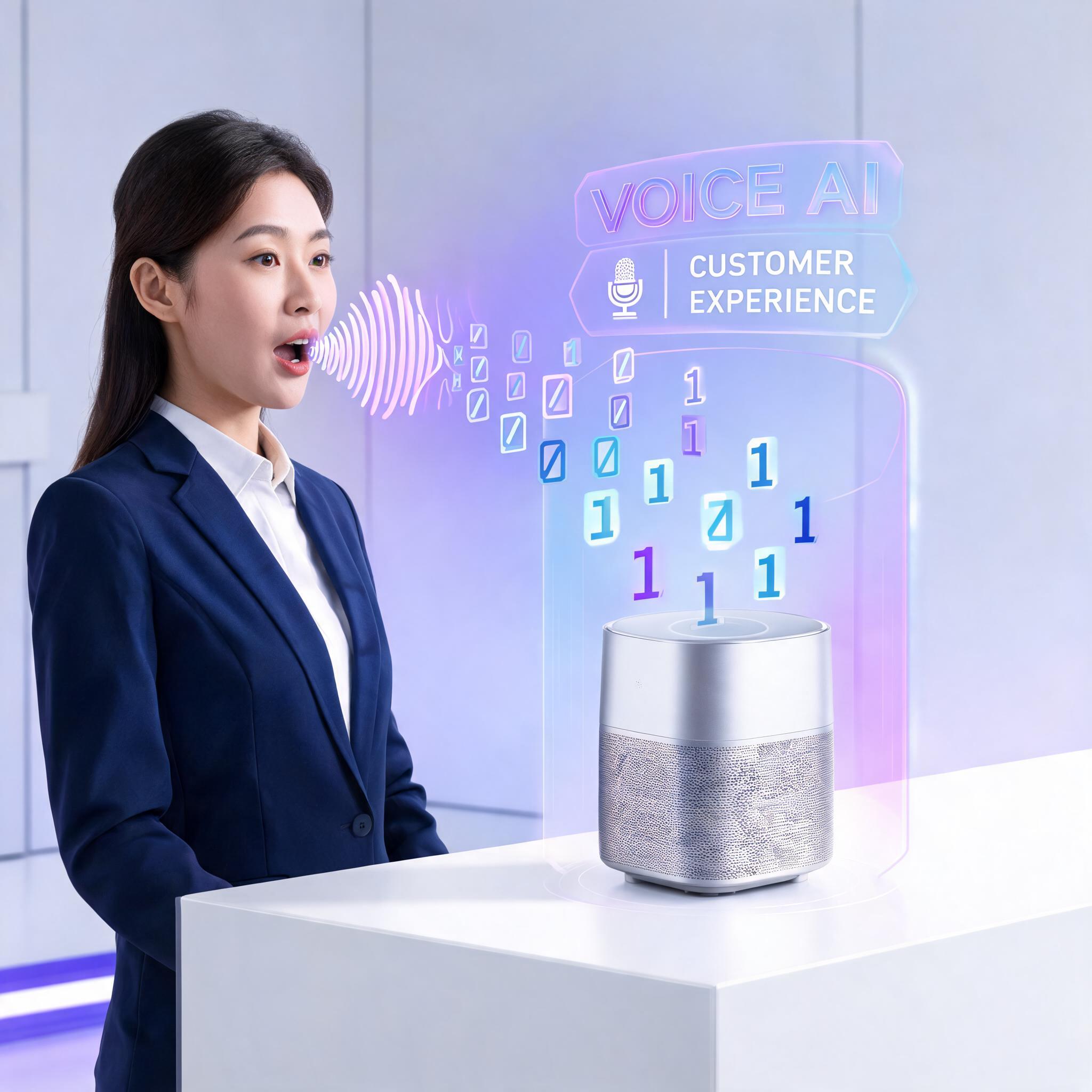
While chatbots have transformed written customer communication, voice remains the preferred channel for millions of customers. There’s something fundamentally human about speaking and being heard. In 2026, Voice AI has reached the point where it can deliver that experience with remarkable naturalness — responding to phone calls, conducting conversations, and resolving enquiries without the caller ever realising they’re speaking to an AI.
This isn’t science fiction. It’s happening right now, across industries, and it’s changing what customers expect from every business they interact with.
Why Voice Still Dominates
Despite the rise of messaging and chat, phone calls remain the most common way customers contact businesses for urgent or complex enquiries. For many demographics — particularly older customers and those dealing with sensitive matters — picking up the phone is simply more comfortable than typing.
The problem is that phones require human staff to answer them. Staff who are sometimes busy, sometimes absent, and sometimes overwhelmed. Voice AI solves this without asking customers to change their preferred communication method.
What Modern Voice AI Can Do
Today’s voice AI systems can answer inbound calls with natural, conversational speech. They understand accents, handle interruptions, process complex requests, and respond with appropriate tone and pace. They can book appointments, answer product questions, take messages with full context, transfer to human agents when needed, and even make outbound calls for appointment confirmations or follow-ups.
The technology has moved far beyond robotic “press 1 for sales” menu systems. These are genuine conversations that flow naturally.
Industries Leading the Way
Healthcare providers use Voice AI to handle appointment scheduling and prescription queries. Dental practices use it to manage new patient enquiries and emergency calls. Legal firms use it to conduct initial client intake. Property agents use it to qualify buyer enquiries and arrange viewings. Restaurants use it to handle reservations during peak service hours.
In every case, the pattern is the same: routine phone interactions that consumed staff time are now handled instantly, freeing the team for high-value work.
The Experience Gap
Customers calling a business that uses Voice AI get answered immediately. No hold time, no voicemail, no “all our operators are busy.” They get a helpful, knowledgeable conversation at whatever time they call. Compare that to the experience of calling a business with no AI support: ringing out, going to voicemail, waiting hours or days for a callback.
Which business would you choose?
Privacy and Trust
Responsible Voice AI implementations are transparent about their nature when required, fully compliant with data protection regulations, and designed to escalate to human agents whenever the situation calls for genuine human judgment. The goal isn’t deception — it’s availability and consistency.
The Future Is Speaking
Voice AI represents the next major leap in customer experience technology. Businesses that adopt it now will set customer expectations that competitors will struggle to match later.
Experience Voice AI for yourself. Contact VoxBot AI to hear how natural AI-powered phone conversations have become.
Leave a Reply